Chiller temperature sensor fault: mistakes and facts
A sensor that reads wrong can imitate half the faults in the manual. We go through the common mistakes and show how sensors, cables and inputs are tested.
Chiller service: articles by ChillerSerwis about industrial chillers and cooling systems.
A sensor that reads wrong can imitate half the faults in the manual. We go through the common mistakes and show how sensors, cables and inputs are tested.
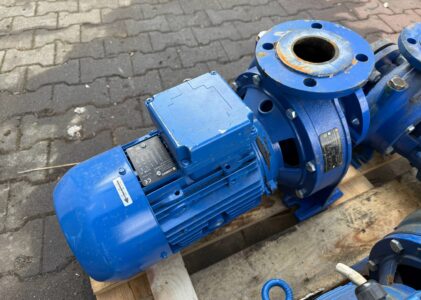
A dripping or noisy pump will stop the whole chiller sooner or later. Here is how we decide between repair and replacement, step by step.
A frozen evaporator lets water into the refrigerant circuit. We explain what that does to the chiller, how we dry the circuit and when replacement makes more sense.
No alarm, yet the chilled water stays above setpoint. Use this checklist of seven causes and the readings behind them to see where the capacity is being lost.
An oil pressure or oil level alarm protects the compressor bearings. Here are the questions operators ask us most often, with the checks we run and the repairs that follow.
A compressor that trips its motor protection is asking for measurements, not resets. We walk through one service call from the first reading to the repair and the report.
High superheat, liquid floodback, unstable suction pressure: how a faulty expansion valve shows up in a chiller, what else can look the same and how we find the real cause.
A hot discharge line is a warning, not a normal feature. Five common myths about high discharge temperature in chillers and what really causes it.
A chiller that keeps losing refrigerant will not fix itself. Our step by step process: locating the leak, repair, nitrogen pressure test, vacuum, recharge and the F-gas record.
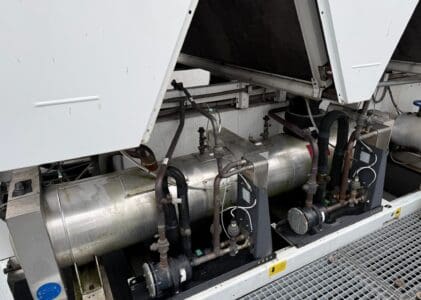
Why chiller evaporators freeze, what to do right after a freeze alarm and how we decide between repair and replacement.